
The Language of Candlelight
From Roman feasts to autumn tables, how a flame shapes the way we gather.

We’re not there yet but we all know that soon enough, without even noticing, we’ll be in autumn. A season shift that I feel not only in my clothes but also in the way I host and dress my tables.
Suddenly, you cannot rely on that pink summer evening light, it will be totally dark by the time your guests arrive. So light becomes as important as the menu. And that is when candles and candlesticks reappear. A couple of centuries ago, they would be pulled out of cupboards, the silver ones polished, others cleaned from the wax and the lighting game would begin.
Candlelight changes everything: the way a table feels and the way a night unfolds. A couple will make the evening romantic and soft, and a cluster of them will turn the room into something dramatic.
The theater of candlelight
The Romans lit their banquets with tall bronze candelabra, part utility, part spectacle. The glow was as much about theatre as it was about seeing what was on the plate. By the Middle Ages, candlelight had become a rare luxury, with great feasts illuminated by heavy chandeliers of wax.
Versailles pushed things to excess, of course: Louis XIV is said to have burned tens of thousands of candles each year, at all hours of the day, because candlelight was theatre, a way to dazzle courtiers as much as to feed them. Later, in Georgian households, the glow grew more domestic but no less symbolic, silver candlesticks polished before every dinner, passed down from one generation to the next as markers of refinement.
I tried to find historical paintings of candlelit banquets from these periods, thinking they would illustrate the idea perfectly. But they are surprisingly rare. Perhaps because capturing the atmosphere of a flame, its flicker, its movement is nearly impossible on canvas. Candlelight is meant to be experienced, not frozen. It softens, it blurs and creates shadows. And maybe that’s why we inherit descriptions, feelings rather than images.
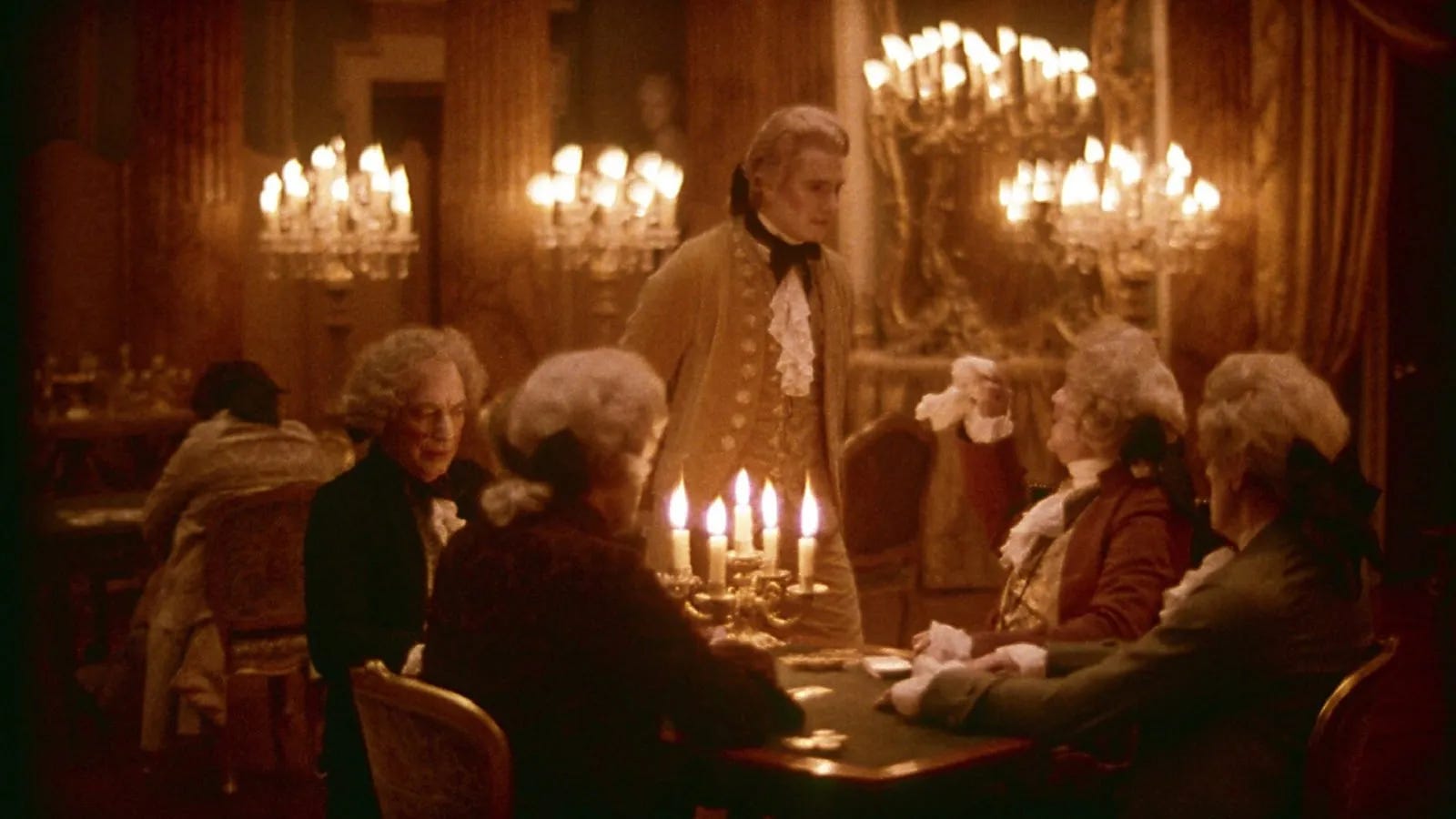
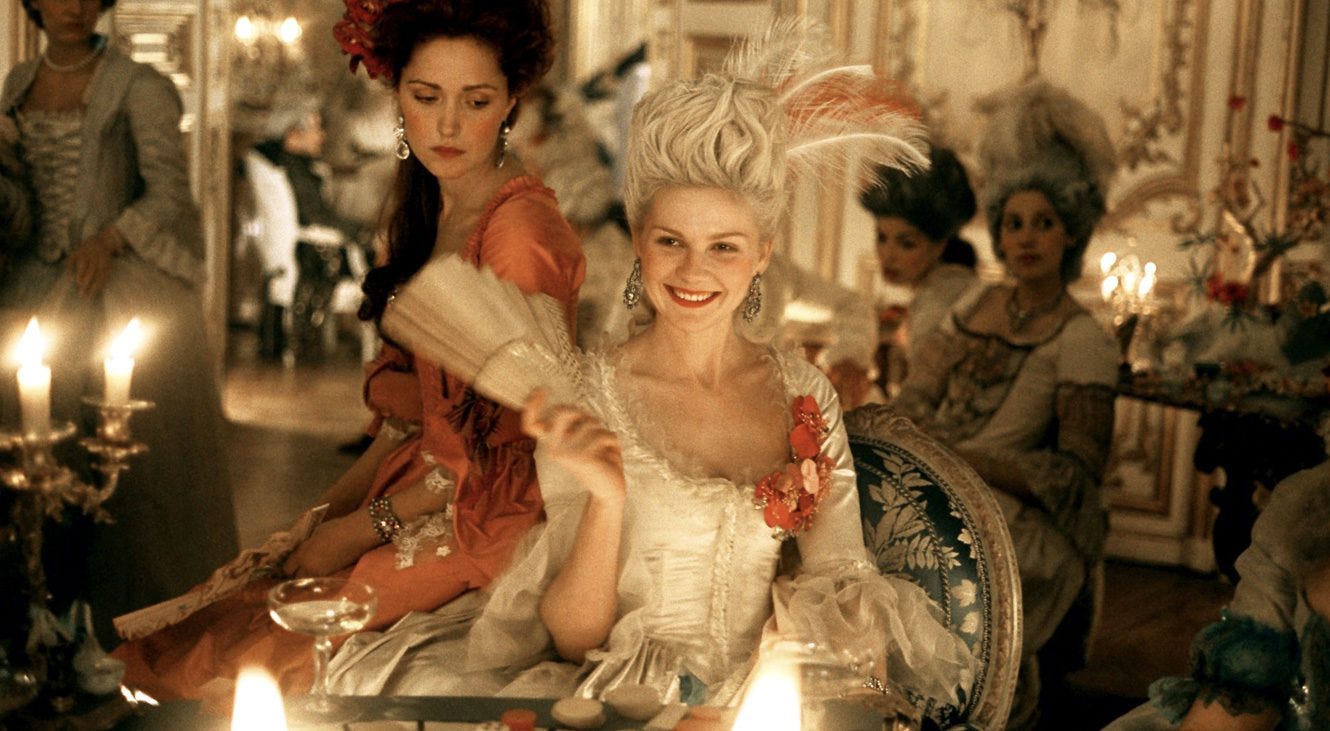
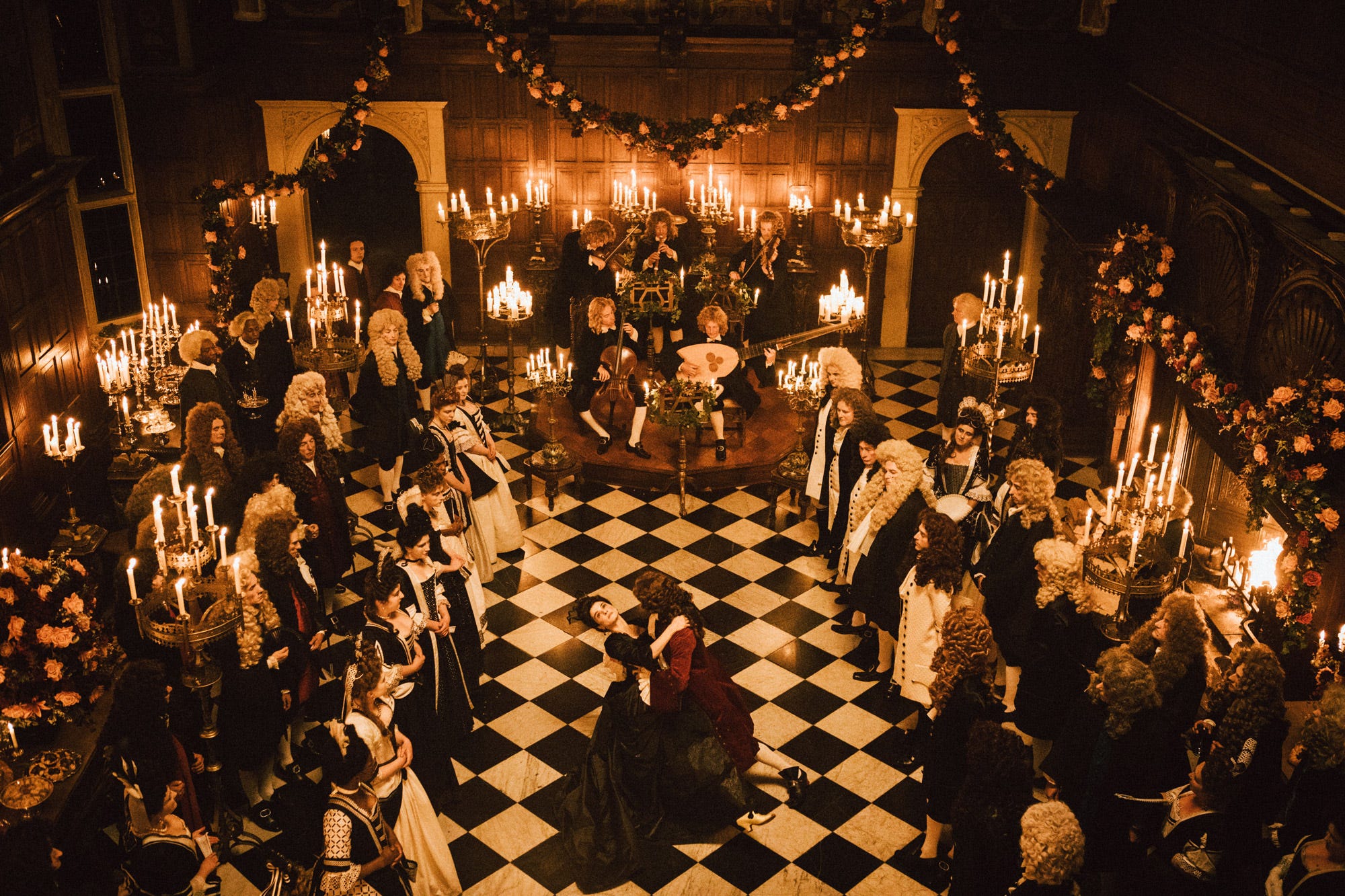
Film, however, brings us what our minds imagine. Kubrick’s Barry Lyndon famously shot entire 18th-century scenes only by candlelight. Sofia Coppola’s Marie Antoinette bathed in chandeliers and candelabra, making us feel the excess as much as see it. And in The Favourite, candlelit corridors and dining rooms turn politics into intimacy, gossip into theatre. Watching these scenes, you begin to understand the power of candlelight. It is alive, always shifting and that is precisely its magic.
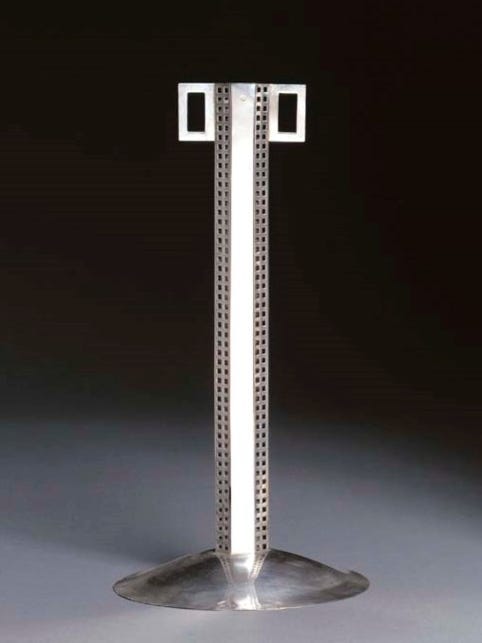
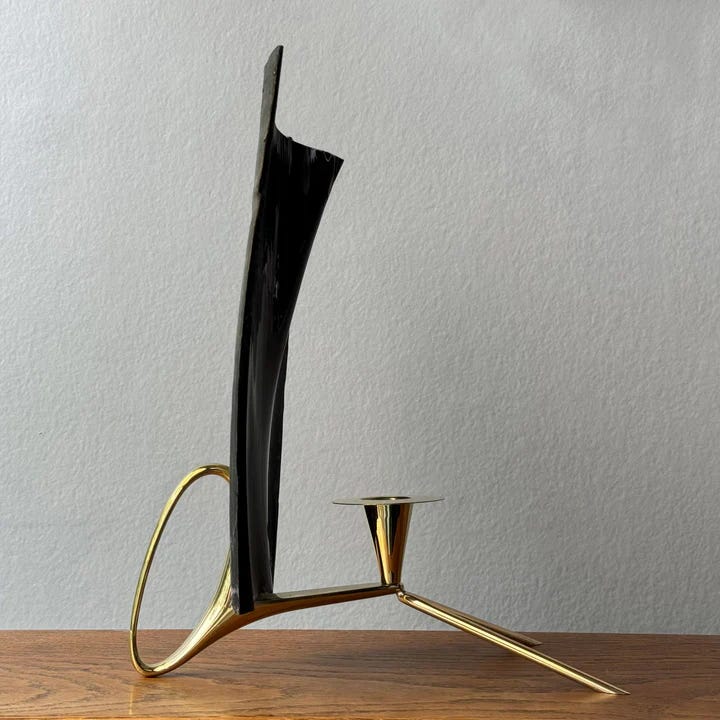
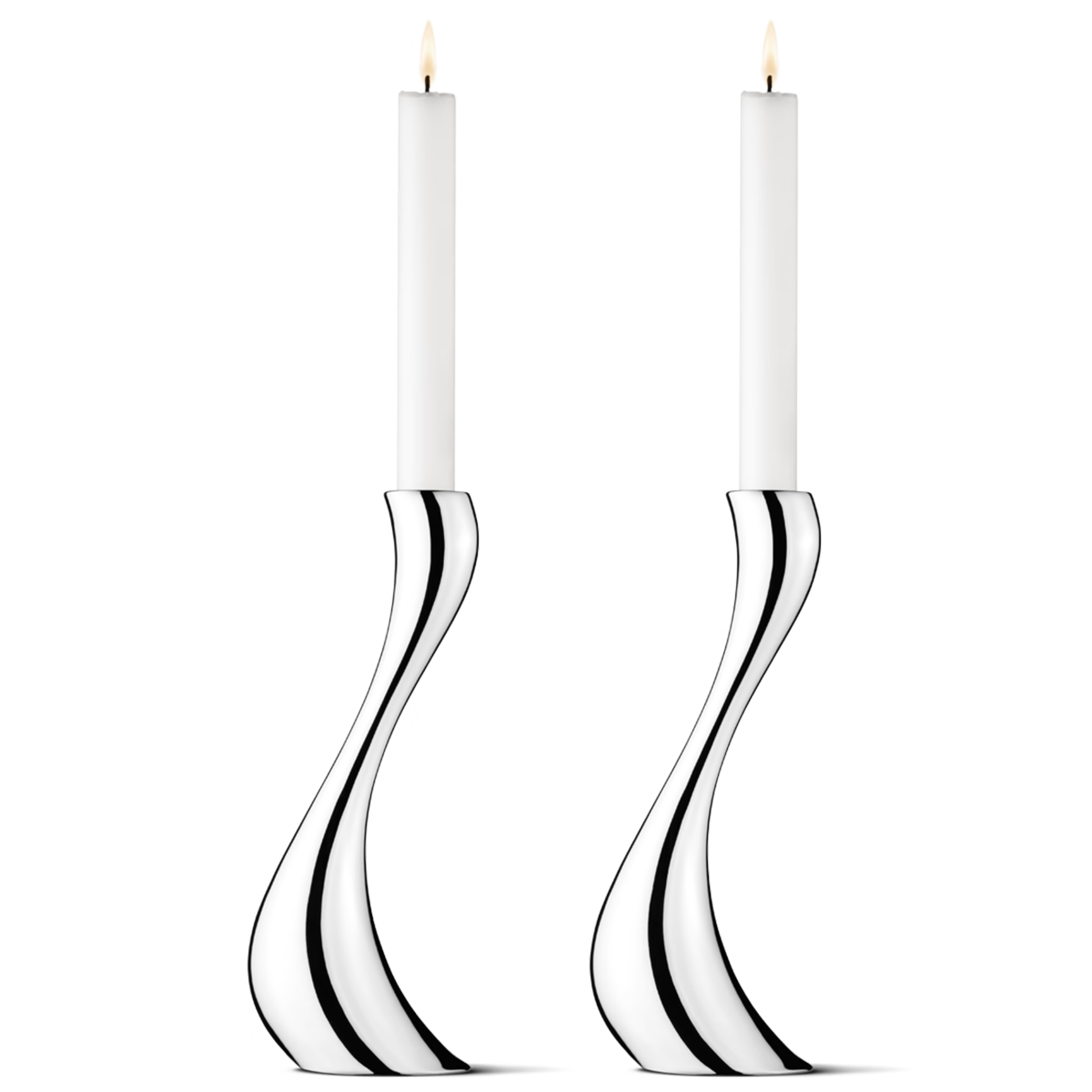
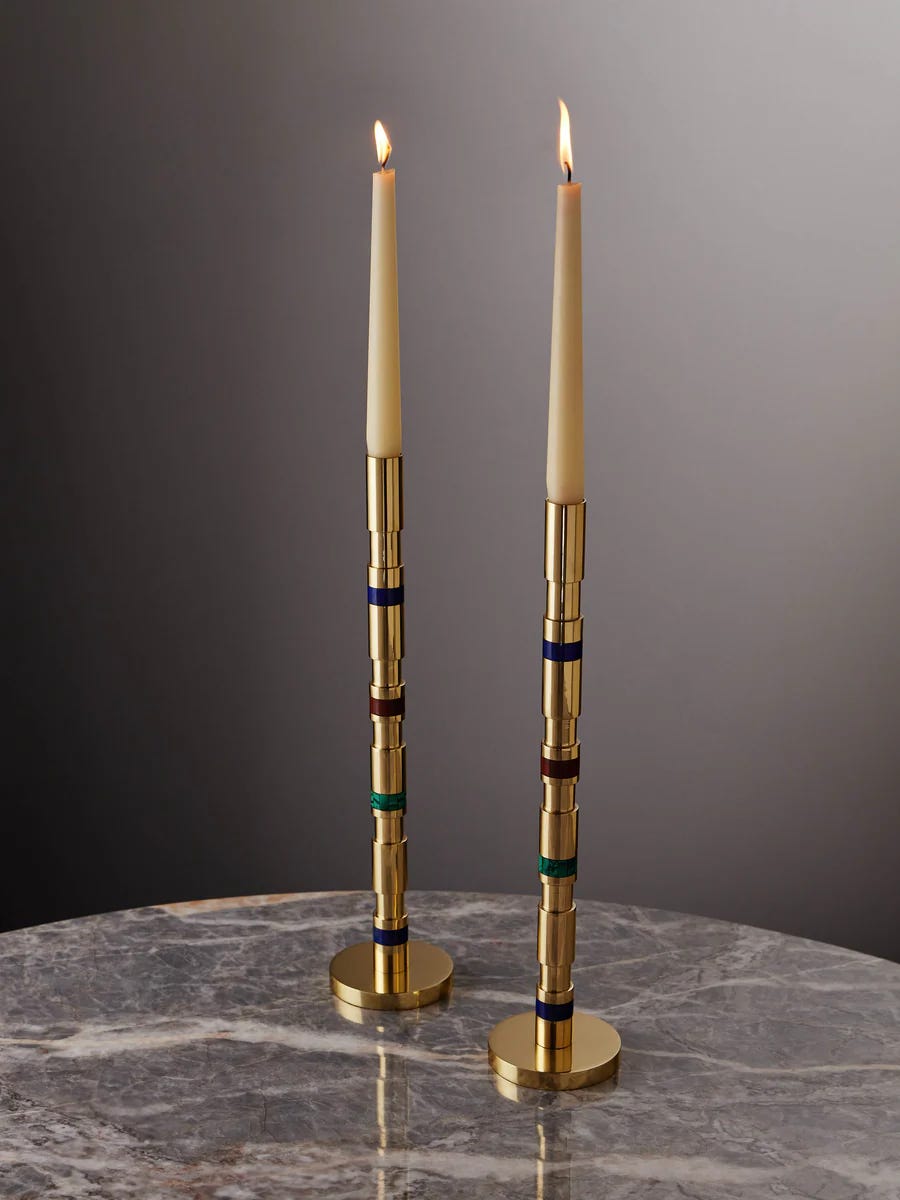
And then, in the 20th century, candlelight shifted once more. Modernist designers gave candlesticks a new language: the clean geometry of Josef Hoffman, the sculptural brass of Carl Auböck and let’s not forget the timeless silver forms of Georg Jensen. Candlesticks at this point became a statement piece on tables.
The symbolism of candles
Why are we so drawn to candles? What is it about them? Well, candlelight is a feeling. Think about it, sitting at a table only lit by candles instantly shits the mood. The room is softer and everything feels a little more intentional.
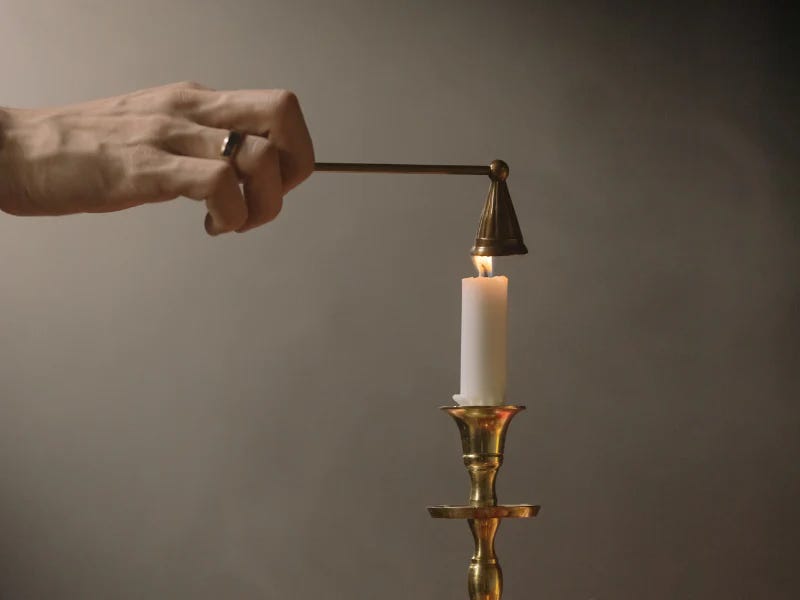
There’s also the ritual: striking a match (or flicking a lighter), making sure the flame catches, and then, at the end of the night, the small ceremony of blowing them out, or snuffing them with that old-fashioned tool (that I love, so chic) marking that the evening is over.
Candles on today’s tables
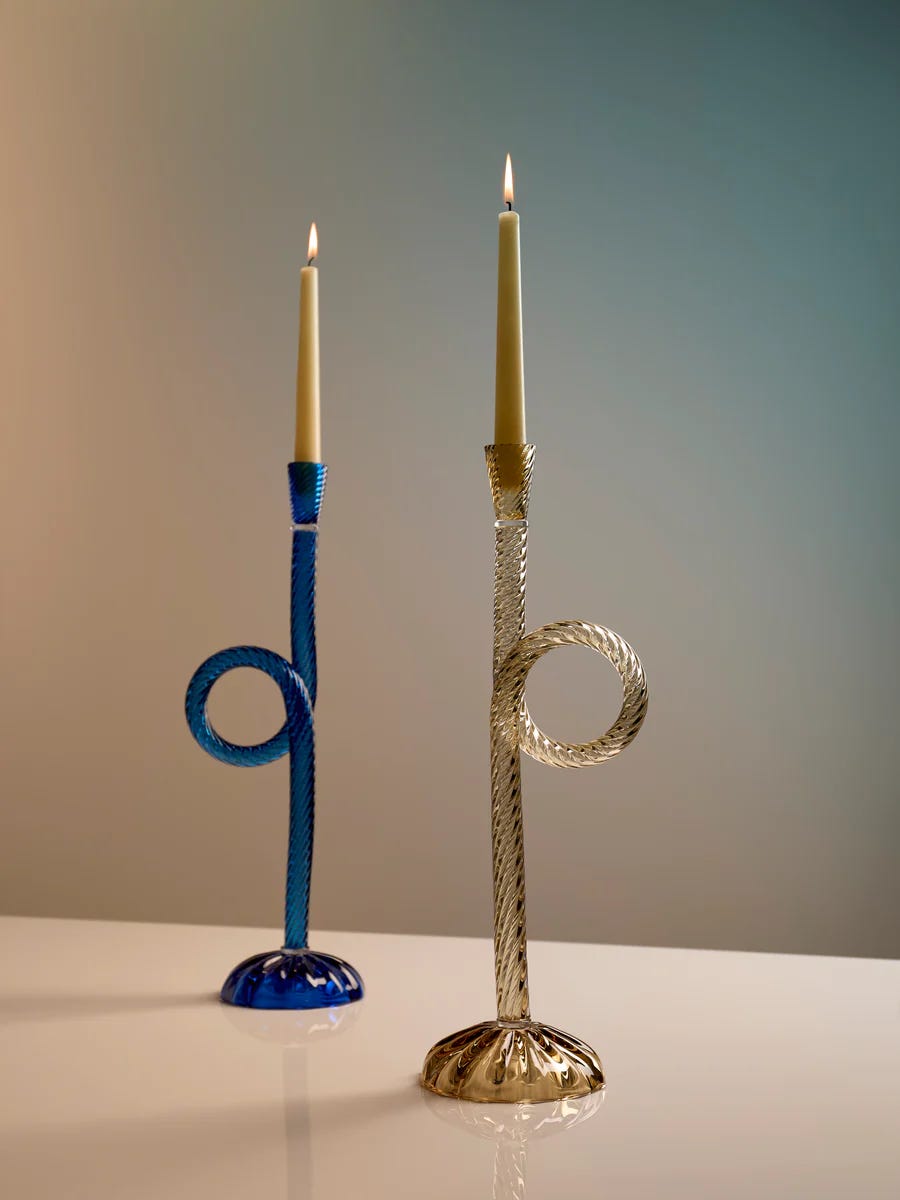
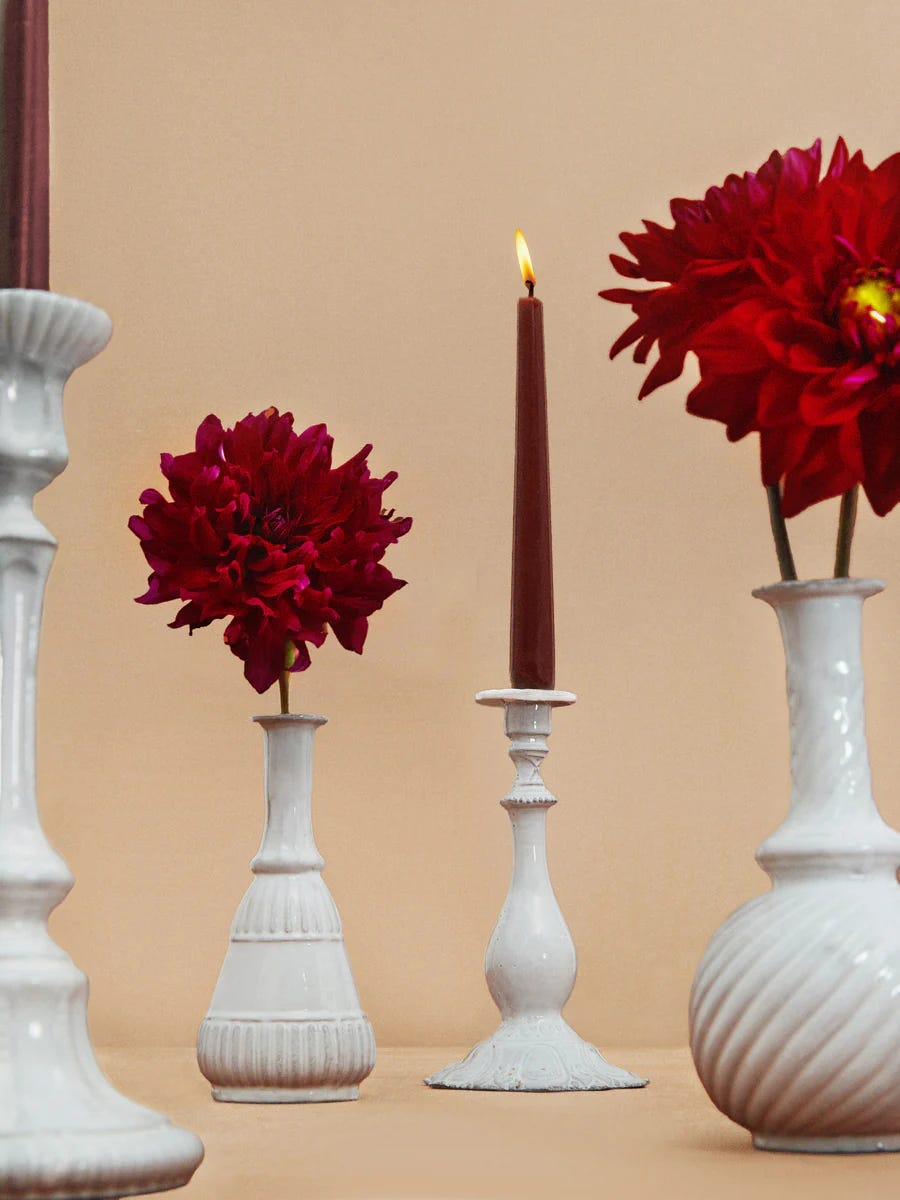
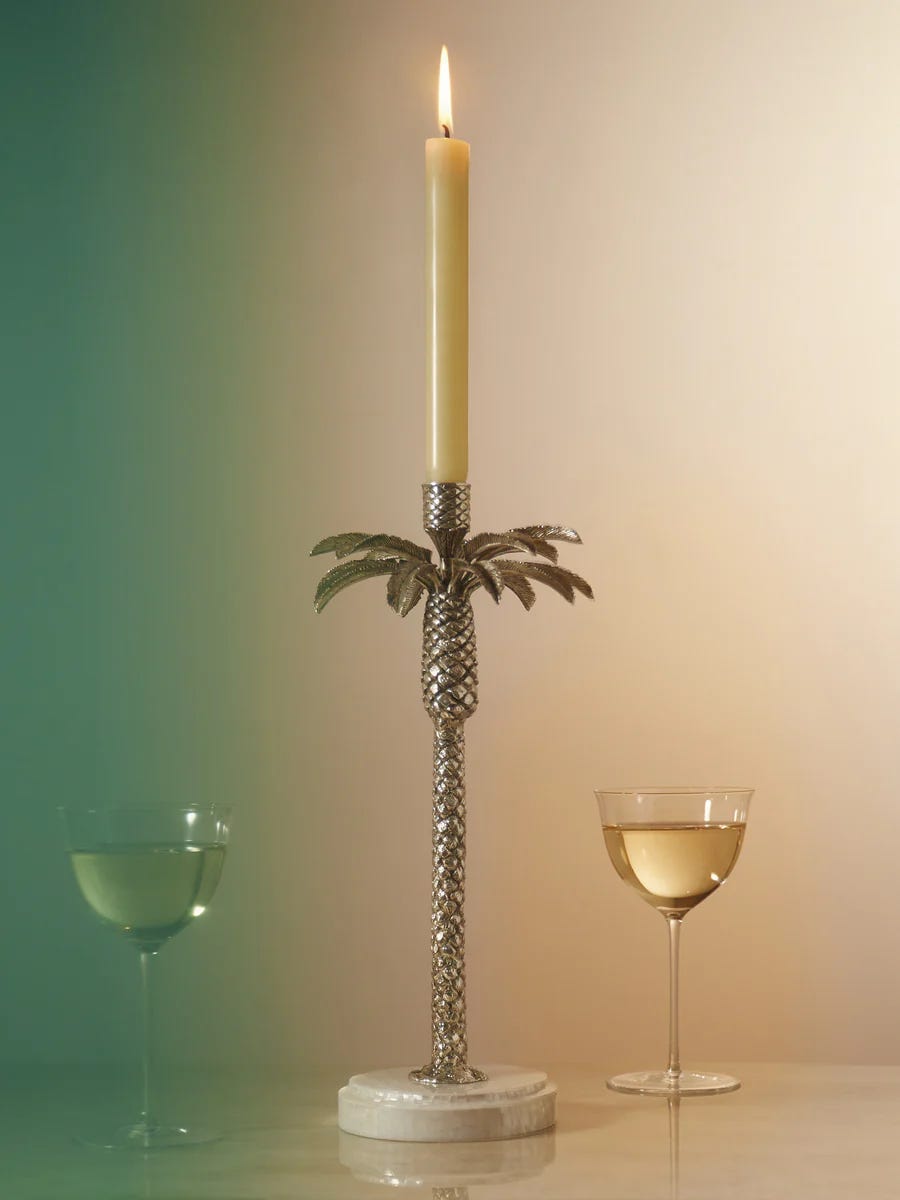
On autumn tables, candles are the easiest way to turn a dark evening into the cosiest one. I like to mix and match, playing with different holders, shapes, and heights, but depending on my mood, I sometimes go completely the other way, keeping things sleek, minimal, and perfectly symmetrical.
There aren’t really rules when it comes to candlelight. The only thing I’d say is this: make sure your candles never block the view. A table works best when you can see the people across it :)
That’s all for today. Stay cosy until next time, Jx
If you like this please drop a ❤️ , share it with a friend, leave a comment, or subscribe! For more JOSI, you can follow us on IG.
Onto that exercise for the next diner party!
Great read as usual ❤️